How People Got Rich in Web3 (and Why It Felt Like Printing Money) 🧊💸
For a few years, the internet looked like it had discovered a money volcano.
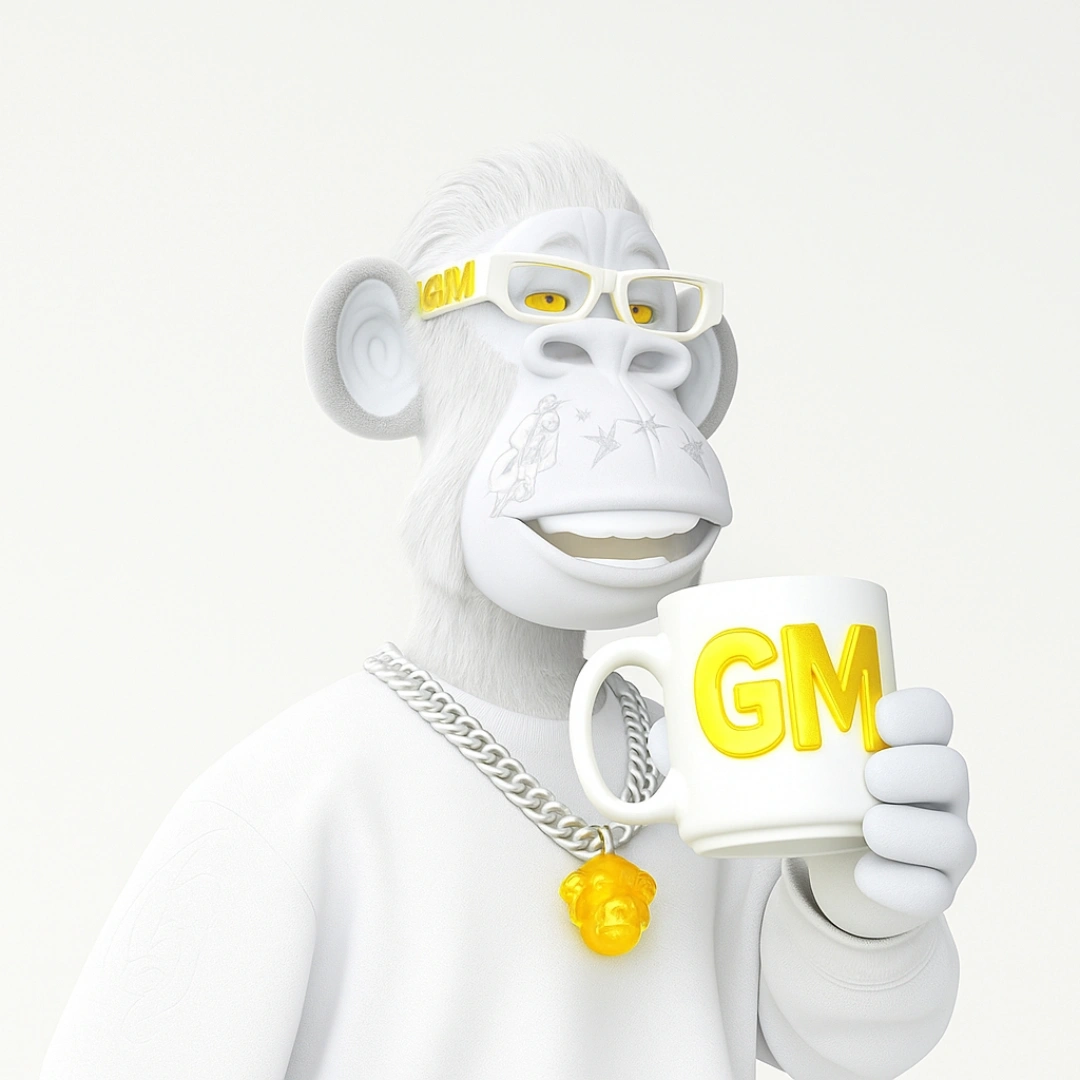
Tokens were skyrocketing overnight. Cartoon monkey pictures were selling for millions. And people who used to be anonymous usernames suddenly owned sports cars.
Welcome to Web3.
From the outside, it looked chaotic and unbelievable. But if you look closely, the people who made the most money weren’t just lucky. Many of them followed similar patterns.
They simply showed up before everyone else.
Here’s how a lot of those fortunes were actually made.
1. Being Early to the Party
Timing in Web3 can feel like magic.
When Bitcoin first appeared, most people ignored it. Some thought it was just a weird experiment for programmers. Others believed it would disappear in a year.
But a small group of curious people bought it anyway when it cost just a few dollars.
Then Ethereum came along. It allowed developers to build apps and tokens on top of the blockchain. Early supporters who believed in the idea watched their investments grow massively over time.
Later, networks like Solana attracted builders looking for faster and cheaper blockchains. Once again, the people who showed up early benefited the most.
In Web3, being early is often the difference between a small gain and a life-changing one.
2. Memecoins: When Internet Culture Meets Finance
If traditional finance feels like a quiet library, memecoins feel like a loud internet festival.
Some of them started as pure jokes. Yet their communities became so strong that the tokens ended up worth billions.
Dogecoin was the first big example. Then came coins like Shiba Inu and Pepe, showing that memes can spread faster than any marketing campaign.
Memecoins run on energy, humor, and community belief. When thousands of people rally around a project, the momentum can push prices to levels nobody expected.
For people who got in early, that wave sometimes turned into enormous profits.
3. The NFT Gold Rush
In 2021, the internet discovered something strange.
Digital pictures suddenly became extremely valuable.
Artists began creating NFTs, which are blockchain-based collectibles that prove ownership of digital items. Collections like CryptoPunks and Bored Ape Yacht Club quickly became status symbols in the crypto world.
But people weren’t just buying images.
They were buying membership in online communities, cultural moments, and pieces of internet history.
Some NFTs that originally sold for a few hundred dollars later sold for hundreds of thousands. A few even reached millions.
For creators and early collectors, it felt like discovering treasure hidden inside a JPEG.
4. Building the Roads of the Crypto City
Not everyone got rich by buying tokens.
Some people built the tools that everyone else needed.
Think of Web3 like a new digital city. Someone has to build the marketplaces, bridges, and highways that allow people to move around.
Platforms like OpenSea made it easy to trade NFTs. Decentralized exchanges like Uniswap allowed people to swap tokens without banks or middlemen. Wallets like MetaMask became the keys people used to enter the blockchain world.
When millions of users start traveling those roads every day, the builders naturally benefit.
5. The Surprise Money Drops (Airdrops)
One of the most unusual things in Web3 is the airdrop.
Sometimes a project rewards early users by giving them free tokens once the platform launches.
It’s basically a thank-you gift for being early.
For example, people who used Uniswap before its token launched suddenly received valuable tokens. Later, projects like Arbitrum and Optimism did similar things.
Some users interacted with a platform just once or twice and later discovered they had received thousands of dollars worth of tokens.
It felt like finding cash in a jacket you forgot you owned.
6. Influence Became Its Own Currency
In Web3, attention is powerful.
People who built large communities on platforms like X, YouTube, or Discord became influential voices in the space. Their opinions could introduce thousands of people to new projects.
Because of that influence, they often gained access to early investments, partnerships, and special token allocations.
In a way, their audience became a form of digital leverage.
The Real Pattern Behind Web3 Wealth
Behind all the crazy stories and overnight success posts, the formula was actually simple:
Discover something early
Participate before everyone else arrives
Build communities or tools around it
Web3 rewards curiosity more than anything else.
The people who explore new ideas before they become popular are usually the ones who benefit the most.
And the interesting thing is this: the next big opportunity is probably already forming somewhere on the internet right now.
Quietly waiting for the next group of explorers to notice it.
In Web3, the frontier never really closes.
It just moves. 🚀