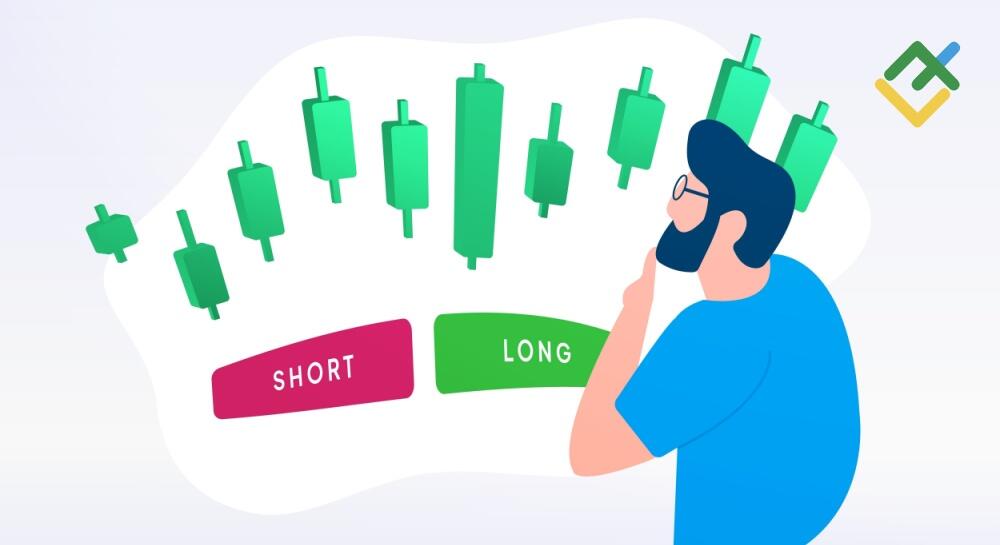
Ask two different people how they approach crypto and you’ll often get two completely different philosophies — one is watching charts at 2am, chasing a 3x before the week is out. The other is quietly accumulating, ignoring the noise, and thinking in years rather than weeks. Both will tell you they’re doing it right. Both might be — depending on what they actually understand about what they’re doing.
The short-term vs long-term debate in Web3 is real, and it matters. Not because one is morally superior to the other, but because mixing them up — thinking you’re doing one when you’re actually doing the other — is where most people quietly lose money and confidence.
What Short-Term Plays Actually Require
Let’s be honest about what short-term trading in crypto demands. It’s not just buying something and hoping it goes up quickly. Done properly, it requires technical analysis, constant market awareness, risk management discipline, fast decision-making, and the emotional control to cut losses before they compound.
Most people who think they’re trading short-term are actually just speculating without a framework. There’s a difference. A trader has rules — entry points, exit points, position sizes, stop losses. A speculator has a feeling and a wallet. Both can win in a bull market. Only one survives a volatile one.
Short-term plays in Web3 are particularly unforgiving because the market runs 24/7, liquidity can evaporate fast, and a single tweet or on-chain event can move a token 30% in either direction within minutes. The window between a good trade and a bad one is often smaller than it looks in hindsight.
None of this means short-term plays are wrong. Some people are genuinely good at it. But it’s a skill — one that takes time to develop and carries real risk while you’re developing it. Treating it like a shortcut to wealth rather than a craft to master is where it goes badly.
The Quiet Power of Long-Term Positioning
Long-term positioning operates on completely different logic. Instead of asking “what will this do this week?” it asks “where will this be in three to five years, and does the current price reflect that?”
This approach is less exciting. There are no 10x stories from a single weekend. Your portfolio might sit flat for months while the market churns around it. You’ll watch tokens you didn’t buy go parabolic and feel the pull of regret. Long-term positioning requires a specific kind of patience that doesn’t come naturally to most people, especially in an environment designed to keep your attention moving.
But the math tends to favor it over time. The people who bought Ethereum early and held through multiple crashes — including drops of 80% or more — came out significantly ahead of most short-term traders who were active during the same period. Not because they were smarter, but because they had conviction and didn’t react to every price movement.
Long-term positioning also removes a specific kind of stress. When you’re not watching hourly candles, a market dip is just noise. You don’t need to make a decision every time the market moves because your timeline is long enough to absorb volatility. That mental clarity has real value — it lets you think about what actually matters, which is whether the underlying project is still building toward something real.
Where Most People Get Stuck
The most common mistake isn’t choosing the wrong strategy. It’s not choosing at all.
Someone buys a token with vague long-term intentions. The price goes up 60% and suddenly they’re thinking about taking profits — now they’re short-term thinking. The price drops 40% and they tell themselves they’re “long-term holders” to avoid locking in a loss — now they’re using long-term framing to avoid a short-term decision they should have made.
This is called position drift, and it’s how people end up bagholding assets they never really believed in while missing actual opportunities they were too tied up to act on.
The fix isn’t complicated, but it requires honesty upfront. Before you enter any position, decide what it is. Is this a trade — with a target, a timeline, and a defined exit? Or is this an investment — in something you believe in enough to hold through cycles? Write it down if you have to. The act of defining it forces clarity that most people skip.
They’re Not Mutually Exclusive
Here’s something the debate often misses: short-term and long-term positioning aren’t opposites. The sharpest participants in Web3 usually do both — but they keep them completely separate.
A portion of their capital is allocated to long-term holds — core positions in assets or protocols they have genuine conviction in, sized so they can stomach volatility without panic selling. Another portion is kept liquid for shorter plays — opportunities they spot and act on with defined risk parameters.
The key is that these two buckets don’t bleed into each other. A long-term position doesn’t become a trade just because price action looks exciting. A short-term play doesn’t become a long-term hold just because it went against you.
This separation isn’t just financial — it’s psychological. It keeps your decision-making clean and stops you from rationalizing bad positions with the wrong time horizon.
Which One Is Right for You
Honestly, that depends on three things: your available time, your emotional temperament, and your financial situation.
If you have a full-time job, a life outside of crypto, and limited bandwidth to track markets actively — short-term trading is probably not the right primary strategy. The market will move while you’re in a meeting and you’ll make reactive decisions based on incomplete information.
If you have genuine disposable income you can leave alone, some conviction about where specific parts of Web3 are heading, and the discipline not to panic when prices drop — long-term positioning will likely serve you better than trying to time markets you don’t have the bandwidth to watch.
If you have time, interest, and the willingness to treat trading as a learnable skill with real risks attached — short-term plays can be part of your approach, but earn that right by starting small and learning the craft before sizing up.
The market will always offer both types of opportunity. The question is never really which approach is better in the abstract — it’s which one you can execute honestly, consistently, and without lying to yourself about which one you’re actually doing.
That self-awareness, more than any strategy, is what separates people who grow in this space from people who just go in circles.