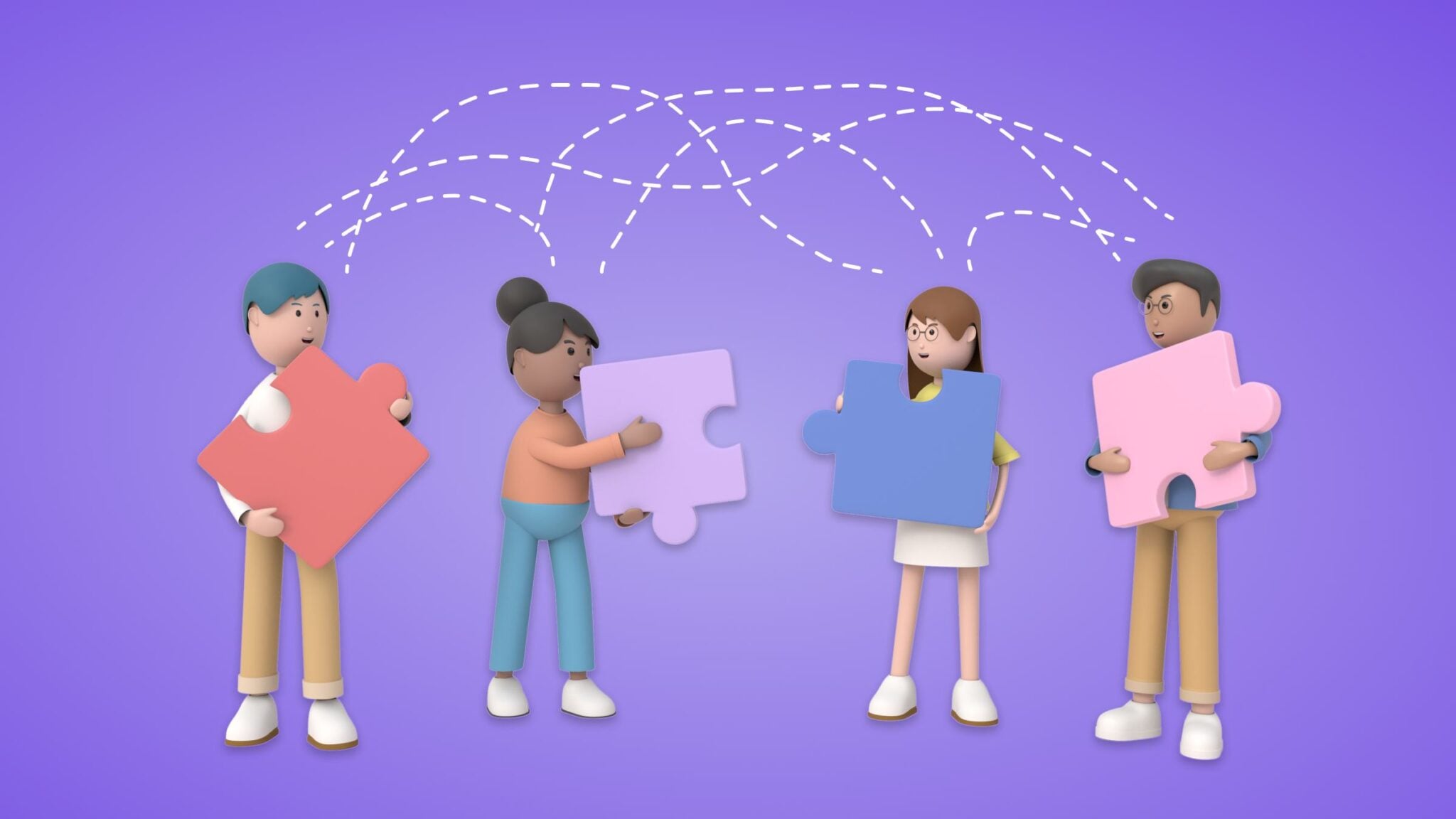
There’s a conversation that keeps coming up in Web3 circles — what counts as real utility? The argument usually goes that most crypto projects are all hype, that tokens need actual use cases, that NFTs without “utility” are just JPEGs. It’s a fair pushback against a space that has, at times, sold a lot of air.
But somewhere in that conversation, something important gets overlooked. Community itself — a real, engaged, invested one — is utility. Not a marketing tool. Not a vanity metric. Actual utility.
This isn’t a feel-good take. It’s something the data and the history of both Web2 and Web3 keep proving out.
What Utility Actually Means
Utility, at its core, means usefulness. A thing has utility if it does something valuable for the people using it. By that definition, a strong community does quite a lot.
It provides information — members share knowledge, surface opportunities, flag risks. It provides access — to people, to deals, to early products. It provides accountability — bad actors get called out, projects get pressure-tested by people who care. It provides belonging — which sounds soft until you realize how much human behavior is driven by identity and group membership.
These are not abstract benefits. They are things people seek out and pay for. The fact that they come through a group of people rather than a piece of software doesn’t make them less real.
Web2 Already Proved This
Before Web3 made “community” a pitch deck buzzword, Web2 companies had already learned — sometimes the hard way — that community was one of the most durable competitive advantages a product could have.
Reddit built an entire business on user-generated communities. Stack Overflow became the backbone of software development not because of its code, but because developers trusted each other there. Duolingo’s retention numbers shot up when it leaned into streaks, leaderboards, and social features — tools that made learning feel like something you did with people, not just for yourself.
These platforms aren’t just products people use. They’re places people belong to. That belonging drives retention, referrals, and resilience. When Reddit went down for a few hours, people panicked. When Stack Overflow had a controversy, the community itself pushed back and demanded better. That kind of investment from users doesn’t come from features — it comes from identity.
The companies that understood community early didn’t just grow faster. They were harder to kill.
Web3 Took It Further — For Better and Worse
Web3 brought a new dimension to community: financial alignment. Token holders, NFT owners, and protocol participants don’t just use a product — they have skin in the game. When a project succeeds, they succeed. That changes the nature of community involvement significantly.
At its best, this creates contributors who are genuinely motivated to help a project grow. They recruit users, report bugs, translate content, create educational material, build tools — all without being on payroll. Uniswap, Ethereum, and other major protocols have benefited enormously from communities that showed up and did real work because they believed in what they were building and had a stake in its success.
At its worst, it creates communities held together purely by price speculation. When the token goes up, the Discord is electric. When it drops, the same community becomes a ghost town or, worse, a mob. This version of community isn’t utility — it’s a crowd with shared financial anxiety.
The difference between the two usually comes down to whether the community existed before the financial incentive, or only because of it.
The Projects That Last Have Communities That Were There First
Look at the Web3 projects that have survived multiple market cycles — the bear markets that wiped out most of the ecosystem. What they almost always have in common is a community that was genuinely there for something beyond price.
Ethereum’s developer community was building and debating long before ETH became a high-value asset. Bitcoin’s earliest adopters were ideologically motivated — they believed in what decentralization represented, not just what BTC was worth. When prices collapsed, these communities didn’t disappear. They built.
Compare that to projects that launched a token first and tried to build a community around it after. Most of them are gone. The community was never really there — just a crowd that showed up for the upside.
This is the clearest proof that community, done right, is utility: it’s what keeps a project alive when everything else would kill it.
Building Community Is Actually Hard Work
One reason community gets dismissed as “soft” utility is that it looks easy from the outside. Set up a Discord, post some updates, host a Space — done, right?
Not really. Real community building is slow, intentional work. It requires showing up consistently, creating genuine value for members, listening more than you broadcast, and making people feel like their presence matters. It means handling conflicts, making hard decisions about who belongs and who doesn’t, and maintaining trust over time.
The projects that treat community as a growth hack — something to spin up quickly and use as a distribution channel — usually end up with hollow communities that don’t hold. The ones that treat it as a long-term investment, the way you’d treat product development, end up with something genuinely defensible.
In both Web2 and Web3, the strongest moat most products have isn’t their technology. Technology gets copied. Features get cloned. But a community that trusts you, believes in what you’re building, and has put real time and identity into being part of it — that is very hard to replicate.
That’s not soft. That’s as real as utility gets.